Friday, 20 April 2012

Demonization of the Working Class


Owen Jones’ book “Chavs: The demonization of the working class” highlights many of these views on chavs. Jones notices how it has become completely acceptable to take the piss out of the working class – “It’s sad that Woolworths is closing. Where will all the chavs buy their Christmas presents?”. Some even call the lower working class as “Sub-class”. If the same remarks were made of a minority group or a sex it would be racism or sexism, so why is it okay to be so derogative of a huge portion of the population of the country??


Tuesday, 17 April 2012

Michael Mayren

Mancunian photographer Michael Mayren studies everyday people and places in his work. His work on the working class, and "chavs" is of particular interest to me, as he looks at things that we would normally overlook in our daily lives.


Mayren has also worked with artist Sarah Hardacre to create photographic collages using people and places:


http://www.michaelmayren.co.uk/

Friday, 13 April 2012

Views on chavs

Growing up in Nottingham, (an area that some people describe as “rough as fuck”!), I have always been surrounded by chavs, so much so that I rarely notice the difference, and I have very little opinion on them whether positive or negative. So when talking to other people, it’s interesting to hear their mixed, controversial and mostly very negative views on chavs.

Wednesday, 21 March 2012

Chavs

The increase in the population of the working class has led to a new term being adopted into the English language – “Chav”. I plan to look at how the chav has been demonized, popularized and eroticised.


Tuesday, 20 March 2012

The Hulme Crescents

The council built huge housing complexes. In the 1970s the Hulme Crescents were built, at the time they were the largest housing project in Europe. However, they were demolished less than two decades later due to being so dysfunctional. Increased crime, vandalism and other anti-social behaviour came into the working class’ lives.


Slums

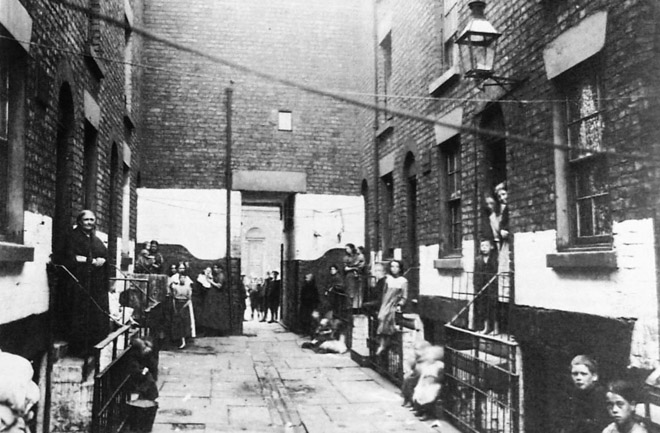
Looking at how Manchester was affected by the Industrial Revolution and how it impacted people’s lives has gotten me thinking.... The city, although striving in the industrial world was becoming a depressing place to live. Poverty was a big part of most people’s lives, many even lived in slums.


One of the biggest slums in the 19th century was Angel Meadow, measuring just over 33 acres, it was home to nearly 30 thousand residents.  "Hell upon Earth" was how author Friedrich Engels described it.

El Mac - Street Artist

Continuing with the theme of street art, I discovered LA-born grafitti artist El Mac. His detailed photorealistic work takes inspiration from Mexican and Chicano cultures

00015741
00015735
00015746

Sunday, 18 March 2012

Unit X

Investigating Manchester
After a week or so of wracking my brains and thinking about what I would like my project to investigate, I became inspired by the talk we were given by John Davis from the MMU Visual Resources Centre last week. He showed us slides from the collections, and what really caught my eye were the ones taken in the 1970s that depicted the housing estates in Hulme. I am interested by how Manchester used to look several decades ago, how this city was quite a depressing place to live at the time. Manchester was a very working class, industrial town, and the housing projects reflected this. I plan to look further into the old estates, particularly in Hulme and their subsequent demolition
Hulme 1960s, areas cleared for development of housing
flickr.com/photos/mmuvisualresources